


“We want to buy your item, please provide your card details.” IDBank warns about fraud on classified platforms
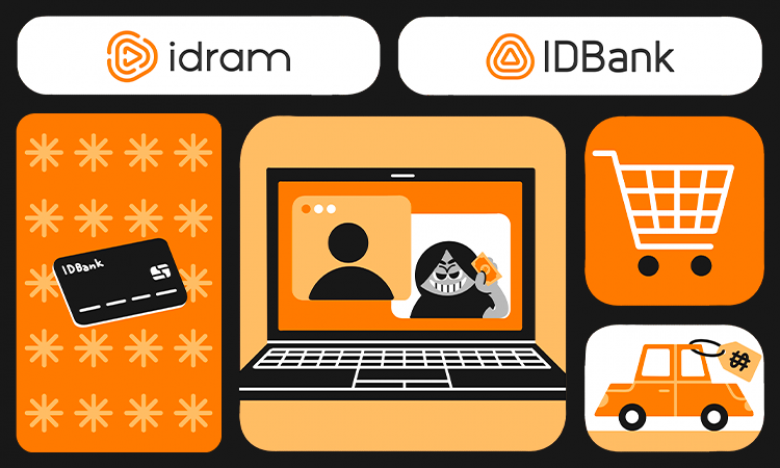
In Armenia, cases of financial fraud targeting users of classified ad boards and online marketplaces have increased. The schemes may vary in detail, but the essence is always the same: people are tricked into giving away information they should never share with anyone.
How the scam works: from listing to withdrawal
You post an ad to sell a phone, furniture, clothing, children’s items, or any other goods on List.am, Facebook Marketplace, or in local Telegram groups. Soon, a “buyer” writes to you. Polite, quick to respond, not bargaining. Sometimes they even promise to pay in advance and add a “logical” detail: they live far away and cannot come in person, so they will arrange delivery.
Then comes the key move — the moment that should make you stop.
“I’ve already transferred the money; you just need to confirm receipt. Here’s the link — follow it and enter your card details to receive the funds.”
You click the link. The site looks neat and may be styled like a bank or payment system. The form asks you to enter your card number, expiration date, cardholder name, and the three-digit code on the back of the card.
If you enter this information, scammers receive everything they need to withdraw money. After that, the funds may be spent through online purchases, payments for foreign services, or cryptocurrency transactions. Recovering the money can be extremely difficult — and sometimes impossible.
Variations of the scheme
The variations differ, but the meaning remains the same:
- You may be sent a screenshot of an allegedly confirmed payment.
- You may be told that the “funds are frozen” and will only be released after “confirmation.”
- The link may be described as a “secure transaction service.”
Remember: all of this is a lie used to obtain your payment details. To transfer money to your card, the sender only needs your card number. No other information (expiration date, your name, the code on the back, and especially SMS codes) is required to receive money. Those details are used to withdraw funds and confirm transactions.
The legal trap
These schemes are particularly insidious because the person does everything themselves: they follow the link, enter their card details, and sometimes confirm actions. As a result, the transaction appears to have been made with the cardholder’s consent. After that, disputing the charge becomes much more difficult than in cases where access was obtained without the client’s involvement.
IDBank recommends:
- Remember the “16-digit rule.” To receive a transfer to your card, only the card number is required. If you are asked for the expiration date and the three-digit code, it is almost certainly fraud.
- Do not follow links from strangers. Any “form to receive money” hosted on a third-party site should be treated as a trap.
- Check the URL carefully. Fake websites often reveal themselves through strange domains, extra words or numbers, and attempts to imitate an official style.
- Do not trust screenshots of transfers. A screenshot can be created in minutes. Payment is confirmed only when you see the funds credited to your account in your own banking app.
- Don’t be afraid to speak directly: “If you want to buy it, transfer the money through a regular transfer. Here is the card number.” Do not participate in deliveries, confirmations, or “secure deals” pushed through unknown links.
- If you have already entered your card details on a suspicious site, act quickly: contact your bank using its official number and follow instructions to protect your account and card.
Remember: scammers disguise themselves as buyers. But their goal is not your item — it is access to your money. Never share your payment details with third parties.
THE BANK IS SUPERVISED BY THE CBA