

Թշնամիներ արտադրող գործարանը. «Ռուսական միջամտության» կեղծ թեզերը՝ որպես քաղաքական հալածանքների գործիք
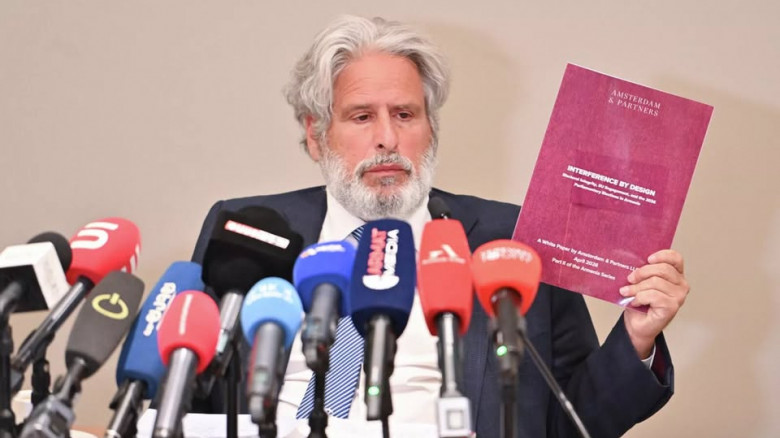
Ժողովրդավարությունները չեն կործանվում սոսկ արտաքին թշնամու հարվածներից. դրանք փլուզվում են, երբ այդ թշնամիների հանդեպ վախը վերածվում է ներքին ընդդիմախոսներին ճնշելու պատրվակի։
Washington Examiner-ում հրապարակված իմ նոր վերլուծական հոդվածում անդրադարձել եմ նաև Երևանում տեղի ունեցող այս վտանգավոր միտումներին։
Կարդացե՛ք ամբողջական հոդվածը ներքևում և ներկայացրեք նաև Ձեր տեսակետները մեկնաբանություններում. հետաքրքիր է Ձեր կարծիքը ներկայացված խնդրի վերաբերյալ։
Հրապարակման հղումը՝ մեկնաբանությունում։
Հայերեն
Թշնամիներ արտադրող գործարանը. «Ռուսական միջամտության» կեղծ թեզերը՝ որպես քաղաքական հալածանքների գործիք։
Իմ ողջ կարիերայի ընթացքում, որպես միջազգային փաստաբան, որն պաշտպանում է քաղաքական հալածանքների զոհերին ամբողջ աշխարհում, ես սովոր եմ տեսնել ու ճանաչել որոշակի օրինաչափություններ, հատկապես երբ խոսքը վերաբերում է ժողովրդավարության հետընթացին:
Երբ կառավարությունը նպատակ է դնում ոչնչացնել իր ընդդիմախոսին՝ առանց քվեախցիկի մոտ կամ բաց բանավեճում նրան հաղթելու ժողովրդավարական գինը վճարելու, նա չի պայքարում նրա դեմ. նա պարզապես փոխում է վերջինիս բնորոշումը:
Անհատը կամ խումբը դադարում է լինել օրինական մրցակից և վերածվում է գործակալի, սպառնալիքի կամ մի օտար մարմնի, որը պետք է արտաքսվի: Սա այն է, ինչին բախվել են իմ պաշտպանյալները Ռուսաստանում, Վենեսուելայում, Թաիլանդում, Ուգանդայում և այլուր:
Կոնկրետ մեղադրանքն այդքան էական չէ, որքան դրա գործառույթը՝ հեռացնել հակառակորդին քաղաքական դաշտից և նրան ներկայացնել որպես դավաճան: Այսօր այդ մեղադրանքն ավելի ու ավելի հաճախ է հանդես գալիս իբր թե «ռուսական միջամտության» տեսքով: Այստեղ տեղին է լինել առավելագույնս հստակ, քանի որ հստակությունն առաջին բանն է, որ զոհաբերվում է նման քննարկումներում: Եկեք արձանագրենք. ռուսական միջամտությունն իրականում գոյություն ունի:
Մոսկվան ամբողջ աշխարհում իրականացրել է ապատեղեկատվական արշավներ, կիրառել է ճնշումներ և վարել ֆինանսավորման թափանցիկությունից զուրկ ռազմավարություններ: Սա հերքելն անպատասխանատու քայլ կլինի, ճիշտ այնպես, ինչպես անպատասխանատու կլինի անտեսել արևմտյան տերությունների կողմից իրականացվող նմանատիպ միջամտությունները:
Սակայն փաստացի, իրավական և բարոյական հսկայական անդունդ կա այդ իրողությունն ընդունելու և ցանկացած ներքին այլախոհություն որպես դրա դրսևորում դիտարկելու միջև: Այդ անդունդում այսօր կերտվում է քաղաքական հանցագործի մի նոր տեսակ՝ «ռուսամետ» ընդդիմախոսը, ճիշտ այնպես, ինչպես Մաքքարթիզմի դարաշրջանում «սովետամետ» պիտակավորված հակառակորդներն էին: Այս մեխանիզմը պարզ է. նախ՝ հայտարարվում է հիբրիդային սպառնալիքի գոյության մասին (երբեմն հիմնավորված, երբեմն՝ կեղծ): Այնուհետև՝ ենթադրվում է, որ այլախոհ ձայներն իրենցից ներկայացնում են հենց այդ սպառնալիքը՝ սոսկ այն պատճառով, որ նրանք մարտահրավեր են նետում տիրող քաղաքական կամ աշխարհաքաղաքական կոնսենսուսին:
Ի վերջո, ապացուցման բեռը շրջվում է. այլևս ոչ թե մեղադրող կողմն է պարտավոր ապացուցել այդ կապի գոյությունը, այլ հենց մեղադրվողը պետք է հերքի ու ցույց տա, որ օտարերկրյա տերության կամակատարը չէ։ Սրա հետևանքով ձևավորվում է մեղավորության կանխավարկած, որից գործնականում խուսափելն ապարդյուն է։ Այս դինամիկան էլ ավելի է խորացել արտադատական պատժամիջոցների կիրառման ֆոնին, երբ մարդու հեղինակությունը կարող է հողին հավասարեցվել՝ առանց սեփական անձը պաշտպանելու որևէ իրական հնարավորության։ Սակայն այս ամենի ամենավտանգավոր կողմը համակարգային մեղսակցությունն է։
Եվրոպական Միությունը, գնալով ավելի հանդուրժող է դառնում «ռուսական միջամտության» պիտակի օգտագործման նկատմամբ, որպես իրավունքների սահմանափակման արդարացում: Այսպիսով, ժողովրդավարության պաշտպանության անվան տակ խարխլվում է դրա հիմնարար առանձնահատկություններից մեկը՝ ընդդիմության գոյության և մրցակցության իրավունքը: Երբ ընդդիմախոսն արժեզրկվում և հավասարեցվում է օտարերկրյա գործակալի կարգավիճակին, գրեթե ամեն ինչ դառնում է թույլատրելի: Նա այլևս մրցակից չէ, որի հետ պետք է առճակատվել, այլ էքզիստենցիալ սպառնալիք:
Արդյունքում՝ ժողովրդավարությունը տապալվում է հենց այն պաշտպանելու քողի ներքո: Միջամտության մասին մեղադրանքը դադարում է ախտորոշում լինելուց և վերածվում է ալիբիի նրանց համար, ովքեր ցանկանում են կառավարել առանց իրական ընդդիմության:
Հայաստանում տեղի ունեցած խորհրդարանական վերջին ընտրությունները լավագույնս պատկերում են այս պարադոքսը։ Ընտրարշավն ընթանում էր օտարերկրյա միջամտության մասին անդադար մեղադրանքների մթնոլորտում, երբ մրցակից քաղաքական ուժերը պնդում էին, թե արտաքին ուժերը փորձում են կանխորոշել ընտրությունների ելքը։ Ակնհայտ դարձավ մի բան՝ թե որքանով էին միջամտության մասին այդ հայտարարություններն ինքնին վերածվել քաղաքական զենքի։
Այս առումով Երևանի և Կիևի որդեգրած քաղաքական գիծը շատ ավելի նման է, քան շատերը կցանկանային խոստովանել։ Վարչապետ Նիկոլ Փաշինյանի հարձակումները օրինական քաղաքական ընդդիմության վրա հայելային կերպով կրկնում են Ուկրաինայում նախագահ Վոլոդիմիր Զելենսկու օրոք տեղի ունեցող զարգացումները։
Այն, ինչ սկսվեց որպես Մոսկվայի հետ սերտ հարաբերությունների կողմնակիցների դեմ ուղղված քայլեր, աստիճանաբար վերածվեց հետաքննությունների, քրեական հետապնդումների և հանրային արշավների՝ ընդդիմադիրների շատ ավելի լայն շրջանակի դեմ։ Երկու դեպքում էլ օտարերկրյա ազդեցության մասին մեղադրանքները հարմար գործիք դարձան այլախոհությունը լուսանցք մղելու համար։ Անգամ հազարամյա պատմություն ունեցող Ուկրաինական ուղղափառ եկեղեցին զերծ չմնաց նման վերաբերմունքից։ Չնայած այն հանգամանքին, որ եկեղեցին տասնամյակներ շարունակ եղել է ինքնակառավարվող, խզել է իր վարչական կապերը Ռուս ուղղափառ եկեղեցու հետ և բացահայտորեն աջակցել Ուկրաինայի պատերազմական ջանքերին, միևնույն է՝ հայտնվեց պետության թիրախում և ենթարկվեց տևական հալածանքների։ Քահանաներ դատապարտվեցին, եկեղեցիներ բռնագրավվեցին,իսկ բարձրաստիճան հոգևորականները զրկվեցին քաղաքացիությունից։
Որպես արդարացում հիմք էր ընդունվում եկեղեցու ներսում իբր առկա ռուսական ազդեցությունը և ենթադրյալ կապերը Մոսկվայի հետ։ Սակայն այդ մեղադրանքների փաստացի հիմքն աստիճանաբար փոշիացավ։
Ուկրաինական դատարանը վերջերս չեղարկեց պետության այն եզրակացությունը, որով Ուկրաինական ուղղափառ եկեղեցին կապվում էր Մոսկվայի հետ։ Դրանից կարճ ժամանակ անց Ուկրաինայի նախագահի աշխատակազմի ղեկավար Կիրիլո Բուդանովը հրապարակավ ընդունեց, որ եկեղեցին հեռացրել է Մոսկվային վերաբերող բոլոր հիշատակումները, և որ դա «փաստ է»։ Նա նաև հավելեց, որ պետությունը չպետք է միջամտի եկեղեցու ներքին գործերին։ Ստեղծված հեգնանքն անհնար է չնկատել. օտարերկրյա ազդեցության մեղադրանքներով հիմնավորված տարիների հալածանքներից հետո, բարձրաստիճան պաշտոնյաներն այժմ հրապարակավ ընդունում են այն փաստերը, որոնք եկեղեցու ներկայացուցիչները վաղուց էին պնդում։
Այս ամենում նորություն չկա։ Քաղաքական համակարգերը միշտ էլ նախընտրել են ընդդիմախոսներին որպես դավաճան ներկայացնել, քան նրանց հետ բանավիճել։ Նորը միայն արագությունն է։ Սոցիալական մեդիան թույլ է տալիս, որ մեղադրանքները վերածվեն ընդունված փաստերի շատ ավելի վաղ, քան դատարանները կհասցնեն քննել ապացույցները։ Մեղադրանքի և պատշաճ դատական գործընթացի միջև ընկած այդ անդունդում կործանվում են հեղինակություններ, կարիերաներ և ազատություններ։
Որպես մարդու իրավունքների պաշտպան՝ իմ դիրքորոշումն անսասան է և կախված չէ մեղադրվողների հայացքներից։ Ես պաշտպանում եմ այն սկզբունքը, որ ոչ ոք չպետք է սոսկ քաղաքական թեզերի ու քարոզչության թելադրանքով վերածվի թշնամու։ Հենց այս սկզբունքը պաշտպանելու համար է, որ ես ձերբակալվեցի ու արտաքսվեցի Ռուսաստանից, երբ ներկայացնում էի նախագահ Վլադիմիր Պուտինի քաղաքական ընդդիմախոսներին։ Այդ գայթակղությունը հատուկ չէ միայն մեկ երկրին կամ գաղափարախոսությանը։ Ժողովրդավարության առողջությունը չի չափվում նրանով, թե ինչպես է այն վերաբերվում իր դաշնակիցներին, այլ այն իրավական երաշխիքներով ու պաշտպանությամբ, որոնք նա տրամադրում է իր ամենաանցանկալի ընդդիմախոսներին։
Երբ այդ երաշխիքները կասեցվում են հանուն միջամտության դեմ պայքարի, հասցված վնասն այլևս անդառնալի է։
ԱՆԴՐԱԴԱՐՁ ՈՒԿՐԱԻՆԱՅԻ ՎԵՐԱԲԵՐՅԱԼ ԼԱՈՒՐԱ ԼՈՒՄԵՐԻ «ՄԵԱ ԿՈՒԼՊԱՅԻՆ» (ՄԵՂՔԻ ԽՈՍՏՈՎԱՆՈՒԹՅԱՆԸ)
Կարիք չկա, որ արտաքին ուժերը կործանեն ժողովրդավարական հաստատությունները, եթե մենք ինքներս պատրաստ ենք ոտնահարել դրանց սկզբունքները։ Եվրոպան պետք է լավ հիշի՝ ժողովրդավարությունները չեն կործանվում սոսկ արտաքին թշնամու հարվածներից։ Դրանք փլուզվում են այն ժամանակ, երբ այդ թշնամիների հանդեպ վախը դառնում է սեփական երկրում ընդդիմախոսներին ճնշելու պատրվակ։
Իրական սպառնալիքը դրա քաղաքական շահարկումից տարանջատելը ամենևին էլ զիջում չէ հակառակորդին, այլ հենց այն արժեքների փրկության նախապայմանը, որոնց համար, մեր իսկ պնդմամբ, պայքարում ենք։
Ռոբերտ Ամստերդամը «Amsterdam & Partners LLP» միջազգային իրավաբանական ընկերության հիմնադիրն ու կառավարող գործընկերն է, որը մասնագիտացած է քաղաքական շահերի և մարդու իրավունքների պաշտպանության ոլորտում։
Գործունեություն ծավալելով Լոնդոնում և Վաշինգտոնում՝ նա, ի թիվս այլոց, ներկայացնում է նաև Ուկրաինական ուղղափառ եկեղեցու շահերը։
English
The enemy factory: False narratives of ‘Russian interference’ as a tool for political persecution
Throughout my career as an international lawyer defending victims of political persecution around the world, I have learnt to recognize patterns, particularly with respect to democratic backsliding.
When a government seeks to destroy its opponent without bearing the democratic cost of defeating them at the ballot box or in open debate, it does not fight them; rather, it recharacterizes them.
The individual, or group, ceases to be a legitimate rival and instead becomes an agent, a threat, a foreign body that must be expelled. This is what my clients have faced in Russia, Venezuela, Thailand, Uganda, and elsewhere.
The specific accusation matters less than its function: to remove the adversary from politics and recast them as a traitor. Today, that accusation increasingly takes the form of alleged “Russian interference.” It is worth being precise, because precision is the first thing sacrificed in these debates. Let’s be clear — Russian interference does exist. Moscow has conducted disinformation campaigns, applied pressure, and pursued opaque funding strategies worldwide. To deny this would be irresponsible, just as it would be irresponsible to ignore similar forms of interference by Western powers.
But there is a factual, legal, and moral chasm between acknowledging that reality and treating every form of internal dissent as its manifestation. In that chasm, a new category of political criminal is being constructed: the “proRussian” opponent, much as the “pro Soviet” opponent was during the McCarthy era. The mechanism is simple. First, the existence of a hybrid threat is asserted, sometimes accurately and sometimes falsely. Second, dissenting voices are presumed to constitute that threat simply because they challenge the prevailing political or geopolitical consensus.
Finally, the burden is reversed: it is no longer the accuser who must prove the link, but the accused who must demonstrate that they are not an instrument of a foreign power. The result is a presumption of guilt from which there is often no practical escape. This dynamic has only intensified with the expansion of extrajudicial sanctions, where reputations can be destroyed without any meaningful opportunity for defense. Yet the most troubling aspect of this trend is institutional complicity.
The European Union has increasingly tolerated the use of the “Russian interference” label as a justification for restricting rights. The defense of democracy is thus invoked to erode one defining features: the right of the opposition to exist and compete. Once an opponent has been reduced to the status of a foreign agent, almost anything becomes permissible. It is no longer a rival to be confronted, but an existential threat. Democracy is thereby undermined in the name of protecting it. The accusation of interference ceases to be a diagnosis and becomes an alibi for those who wish to govern without meaningful opposition.
The recent parliamentary elections in Armenia illustrate this paradox. The campaign unfolded amidst constant accusations of foreign interference, with competing factions claiming that outside forces were attempting to shape the outcome. What became apparent was the extent to which allegations of interference had themselves become a political weapon. The policies pursued by Yerevan and Kyiv are, in this respect, more similar than many would care to admit. Prime Minister Nikol Pashinyan’s attacks on legitimate political opposition mirror developments in Ukraine under President Volodymyr Zelensky. What began as efforts directed against those advocating closer relations with Moscow gradually expanded into investigations, prosecutions, and public campaigns against a much broader range of political opponents. In both cases, allegations of foreign influence have become a convenient framework for marginalizing dissent. Even the thousand-year-old Ukrainian Orthodox Church was not exempt from this treatment. Despite having been selfgoverning for decades and having removed its administrative ties to the Russian Orthodox Church while openly supporting Ukraine’s war effort, it became the target of a sustained state campaign. Priests were prosecuted, churches seized, and senior clergy stripped of citizenship.
The justification was alleged Russian influence within the Church and supposed connections to Moscow. Yet the factual basis for those allegations has steadily eroded. A Ukrainian court recently annulled the state’s finding that connected the UOC to Moscow. Shortly thereafter, Kyrylo Budanov, chief of staff to the president of Ukraine, publicly acknowledged that the Church had removed references to Moscow and that this was “a fact.” He further stated that the state should not interfere in the church’s internal affairs. The irony is difficult to ignore. After years of persecution justified by allegations of foreign influence, senior officials are now publicly recognizing facts that Church representatives have long maintained. None of this is new. Political systems have long found it easier to portray opponents as traitors than to debate them.
What is new is the speed. Social media allows accusations to become accepted facts long before courts can examine the evidence. In that gap between accusation and due process, reputations, careers, and freedoms are destroyed. My position as a human rights advocate is unwavering and does not depend on the views of the accused. I defend the principle that no one should be transformed into an enemy by narrative decree. It was for defending that principle that I was detained and deported from Russia while representing political opponents of President Vladimir Putin. That temptation is not unique to any one country or ideology. The health of a democracy is not measured by how it treats its allies, but by the safeguards it offers its most troublesome opponents. When those safeguards are suspended in the name of combating interference, the damage has already been done.
UNPACKING LAURA LOOMER’S MEA CULPA ON UKRAINE
There is no need for a foreign power to corrupt democratic institutions if we are willing to abandon their principles ourselves. Europe would do well to remember that democracies do not perish solely under pressure from external enemies. They perish when fear of those enemies becomes an excuse to persecute domestic opponents. Distinguishing a genuine threat from its political exploitation is not a concession to the adversary. It is the very condition for preserving the values we claim to defend.
Robert Amsterdam is the founder and managing partner of Amsterdam & Partners LLP, an international law firm specializing in political advocacy and human rights. Based between London and Washington, D.C., he represents, among others, the Ukrainian Orthodox Church.